
The Duston School
Attendance and absence
The Duston School regards attendance as a key factor in supporting students to maximise their potential. We believe that all pupils are in a better position to achieve their potential if they attend school punctually and avoid missing lessons. Children flourish when they feel part of their school community, and being in school every day is essential to making that happen.
Whether your child is just beginning their school journey at or working towards exams, coming to school every day is one of the most important things they can do for their wellbeing, progress, and future. At The Duston School we expect pupils to aim for 100% attendance and punctuality. Many of our students achieve this, and their records show just how possible—and beneficial—it is.
Why Attendance Matters
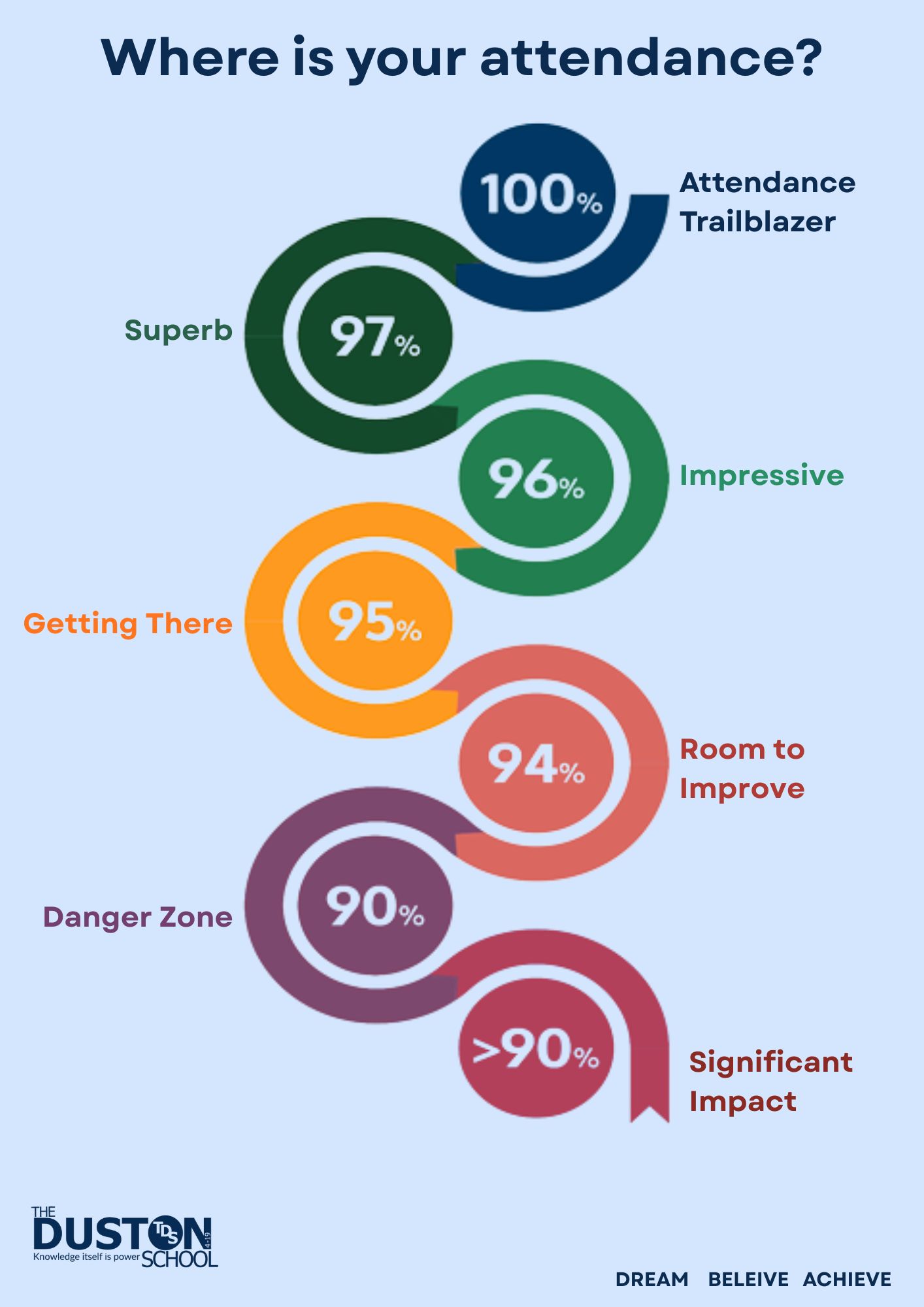 Attendance is one of the most important factors in a child’s success at school. Every day in school gives children the chance to learn, grow, and feel part of their community. When pupils attend regularly, they build strong foundations—academically, socially, and emotionally—that support them throughout their school journey and beyond.
Missing school has a real impact. Even small amounts of absence add up quickly.
For example, 90% attendance means a child is missing one day of school every fortnight, which adds up to half a school year lost over five years. At 80% attendance, a student misses the equivalent of a full school year. These gaps make it harder for children to stay on track, feel confident in their learning, and maintain the routines that help them thrive.
Consistent Attendance and Academic Success
At the Duston school we want pupils to achieve their dreams and strive for their goals. Regular attendance allows pupils to take full advantage of the learning opportunities available to them. It helps them build a strong foundation of knowledge and skills, stay engaged with new content, and avoid knowledge gaps that could create barriers between them and their future goals. Pupils who attend consistently are better equipped to achieve their potential.
Social and Emotional Development
School is not just about academics; it is also a vital social environment. Being in school every day helps children develop essential social skills, build lasting friendships, and learn important life lessons such as teamwork, communication, and responsibility. These experiences shape their confidence and resilience.
Establishing Routines
Good attendance supports positive habits. Arriving on time and attending regularly teaches children the importance of punctuality and responsibility—skills that benefit them both now and in their future careers. A calm, purposeful start to the day helps set them up for success.
As a school we like to work closely with parents to help our pupils engage fully with the curriculum and the additional opportunities our school creates. We appreciate your support in ensuring your child attends school regularly. Together, we can give them the best possible opportunities for success.
How Our School Monitors Attendance and Implements Support
At The Duston School, attendance is monitored closely so we can identify concerns early and support families quickly. We track attendance daily, weekly and termly to review patterns over time to ensure every pupil is being supported and accessing the education they are entitled to. Our Attendance Team work together to follow up on absences, check in with families, and put support in place when needed.
We use Class Charts to give parent/carers and students a clear view of attendance. Parent/Carers can access this information in real time via the Class Charts Parent App (available on iOS and Android) or through the web portal using a parent account provided by the school. Class Charts helps families stay informed and allows us to work together to improve attendance where needed.
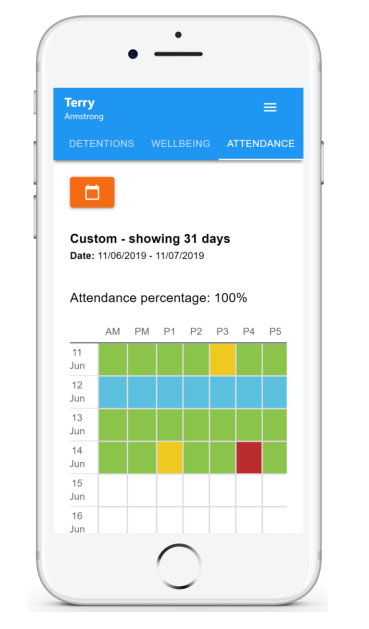 Attendance records fall under four categories: Present, Late, Authorised Absence and Unauthorised Absence.
- Present: Your child attended the lesson.
- Late: Your child was late to the lesson.
- Authorised Absence: Your child did not attend the lesson, but had a valid reason for doing so. This may include illness, medical appointments, or exceptional circumstances agreed in advance.
- Unauthorised Absence: Your child did not attend the lesson and did not have a valid reason to do so. This includes unexplained absences, holidays during term time or situations where valid evidence has not been supplied.
Each school day includes two registration sessions: a morning session (AM) and an afternoon session (PM). Primary phase pupils are marked present or absent for these sessions only, whereas secondary phase pupils are marked for each individual period throughout the day.
If you need help with Class Charts or setting up an account, please consult the parent/carers guide on the TES website.
Our Stage Monitoring System
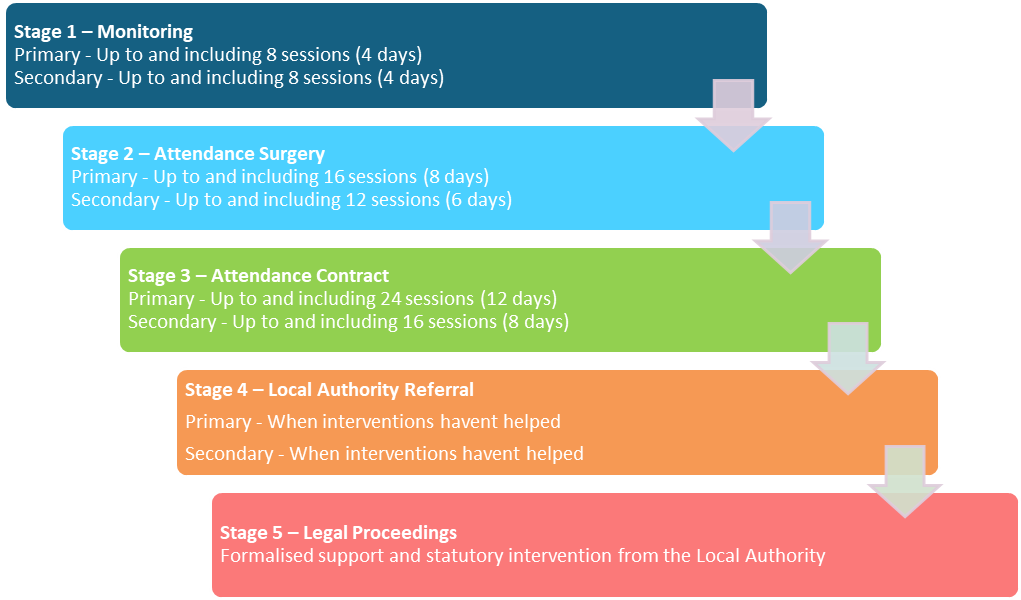
Our Stage Monitoring System ensures that attendance concerns are identified early and acted on quickly. We review attendance weekly and monitor patterns over time so we can intervene before issues become long‑term barriers to learning. When a pupil’s attendance falls below expected levels, they move through clearly defined monitoring stages, each with increasing oversight and support.
The system focuses mainly on unauthorised absences. While we offer universal support to pupils who have had a few periods of illness out monitoring process only looks at non-approved absences from Stage 1.
As pupils progress through the stages families receive clear communication, agreed actions are put in place, and additional support may be provided by our Educational Welfare Officers or Assistant Directors of Year. This ensures that pupils who need help receive it promptly and consistently.
Authorised and unauthorised absences are recorded separately but both contribute to a pupil’s overall attendance percentage. These marks are visible to families through Class Charts, ensuring transparency and helping us work together to improve attendance.
Our monitoring system ensures every pupil receives the right support at the right time. Below are the thresholds for each of our monitoring stages:
Punctuality
Being on time is a vital part of good attendance at The Duston School. Arriving punctually ensures pupils make a calm and purposeful start to the day and are fully prepared for learning. When students are late, they miss important instruction time which can have a negative effect on their future learning. We expect all pupils to arrive on time every day, ready for their lessons. Persistent lateness is monitored closely and may lead to further follow‑up as part of our attendance procedures.
Primary Phase
Within the primary phase of the school, pupils must arrive by 9:00am on each school day. There is a flexible drop off time between 8:45am and 9:00am for all year groups. Arriving after 9:00am means your child misses key routines that set the tone for the day.
Secondary Phase
Secondary pupils are expected to arrive on site in good time for the start of the school day and be present and ready for line-ups/morning registration to start at 8:30am for years 7, 8 and 11 and 8:35 for years 9 and 10.
Punctuality is taken seriously at The Duston School. Any secondary pupil who arrives late to school without permission will receive a same‑day detention.
Reporting an Illness, Medical Appointment or Unexpected Lateness
If your child is unable to attend school due to illness, a medical appointment, or are unexpectedly running late, we ask parent/carers to report this directly through Class Charts. Using Class Charts ensures the Attendance Team receives information quickly and accurately, allowing us to update your child’s record and provide support where needed.
We ask parent/carers to notify the school of the reason for the absence on the first day of an unplanned absence by 8:15am or as soon as practically possible. For future/planned absences see the Requesting Exceptional Term Time Leave section below.
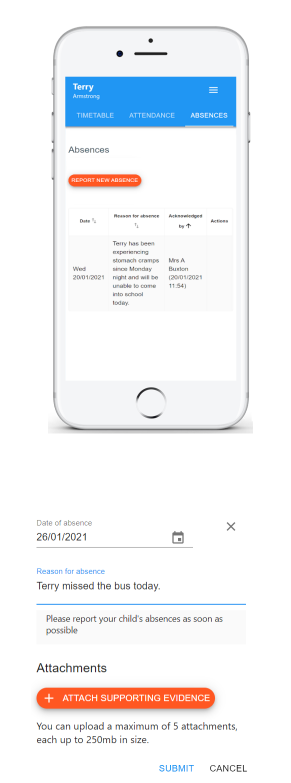

If the absence continues, we ask that you update us each day so we can keep accurate records and ensure your child is safe. We no longer have an absence phone line that is monitored.
If you’re unsure whether your child should attend school due to sickness you can check NHS illness advice for guidance on common symptoms and conditions.
Requesting Exceptional Leave During Term Time
The Duston School follows Department for Education (DfE) guidance, which states that schools should not authorise leave during term time unless there are exceptional circumstances (this includes but is not limited to funerals, important family events, taking part in sporting competitions etc). This means that routine family holidays, extended trips abroad, or travel for convenience cannot be approved and will be recorded as unauthorised. We do however require formal notification of any planned absence even if you feel we won’t approve it under these guidelines.
If you need to request leave please complete our Exceptional Circumstances Form.
Once completed, please email the form to office@thedustonschool.org. The Principal will review all requests and make the final decision.
We ask that all requests for leave are submitted at least three weeks prior to the first date of absence. If you are unable to do this a request must be submitted with as much notice as possible. We will reply to all requests promptly and through the ClassCharts app.
Under DfE regulations, unauthorised term‑time leave may result in a Fixed Penalty Notice (fine) issued by the Local Authority. The school does not issue these fines and does not receive or profit from them. In cases of repeated unauthorised absence, the Local Authority may escalate the matter further, which can include prosecution under education law.
We strongly encourage families to plan travel and events outside of term time where possible to avoid disruption to learning and potential sanctions.
Policies & Further Information
You can explore more detailed information here:
Frequently Asked Questions
What can I as a parent/carer do to support positive attendance?
Supporting strong attendance starts at home, and small, consistent routines make a big difference. You can help by ensuring your child arrives at school on time every day, with a regular morning routine that allows them to get ready calmly and confidently. Keeping to consistent bedtimes, organising uniform and equipment the night before, and planning journeys in advance all help reduce stress and lateness. Talking positively about school, encouraging good habits, and staying engaged with your child’s learning all help build motivation and confidence.
What happens if my child’s attendance starts to fall?
If your child’s attendance begins to drop you’ll usually hear from us to discuss what’s going on and to make sure we understand any difficulties your child may be facing. We’ll look at patterns, talk through any concerns, and agree simple steps to help get attendance back on track. If you have concerns and would like earlier support you can email your child’s year team or attendance@thedustonschool.org to speak to someone from the team.
If attendance continues to fall after our initial interventions your child will move through our Stage Monitoring System, which provides more structured support and closer oversight. This might include regular check‑ins, targeted interventions, or involvement from our Educational Welfare Officers. The aim is always the same: to work with you, not against you, and to remove barriers that are getting in the way of consistent attendance.
My child is anxious about coming to school—what should I do?
If your child is feeling anxious about attending school, please let us know as early as possible by emailing attendance@theustonschool.org or reporting it via ClassCharts so we can work together to support them. We understand that anxiety can build quickly, and our aim is always to respond before it starts to affect attendance. At The Duston School, we have a clear EBSA (Emotionally Based School Avoidance) strategy within our attendance policy, which guides how we assess concerns, put support in place, and monitor progress.
What if my child has a long‑term medical condition?
If your child has a long‑term medical condition, please share this with us as soon as possible so we can put the right support in place. We require evidence of a formal diagnosis or any investigations being carried out so that our staff understand your child’s needs and so we ensure any absence linked to the condition is recorded accurately. Where appropriate, our SEN team may reach out to formalise support or gain more information on what your child may need as they move through the school.
We will work closely with you to maintain the highest attendance possible while being sensitive to your child’s condition. Keeping us informed and sharing new medical information promptly help your child stay connected to school and learning.
If my child is feeling better later in the day, can they come in still?
Yes — if your child starts to feel better later in the day, we strongly encourage you to bring them in. Even attending part of the day helps maintain routines, reduces anxiety about returning, and keeps them engaged with learning.
How does the school celebrate good or improved attendance?
We believe that recognising strong attendance helps build positive habits, motivation, and a sense of achievement. In the secondary phase, pupils are celebrated through our House System, which rewards consistency and improvement. Additionally, each term, pupils who achieve 97% attendance or above receive a set number of House Points, contributing to their personal total and their House’s overall standing.
Contact Us
Luminara Education Trust
Berrywood Road, Duston
Northampton,
NN5 6XA